%2Ffit-in%2F250x250%2Fusers%2Fca3e74c9-747c-4b4f-9dce-ddb4a76725a8%2Fimages%2F8fa4ff05-1c57-42fe-a743-29a6adf2f996.jpg&w=1920&q=100)
/users/ca3e74c9-747c-4b4f-9dce-ddb4a76725a8/ratecard/505716339_18367667293178742_7517476365469209793_n-mlpz40hb.jpg)
%2F300x300%2Fusers%2Fca3e74c9-747c-4b4f-9dce-ddb4a76725a8%2Fratecard%2F505716339_18367667293178742_7517476365469209793_n-mlpz40hb.jpg&w=256&q=75)
%2F300x300%2Fusers%2Fca3e74c9-747c-4b4f-9dce-ddb4a76725a8%2Fimages%2Fspotted-weakfish-fishing-galveston-2742.jpg&w=256&q=75)
%2F300x300%2Fusers%2Fca3e74c9-747c-4b4f-9dce-ddb4a76725a8%2Fimages%2Fredfish-fishing-tx-2533.jpg&w=256&q=75)
%2F300x300%2Fusers%2Fca3e74c9-747c-4b4f-9dce-ddb4a76725a8%2Fimages%2Fredfish-haul-texas-2793.jpg&w=256&q=75)
%2F300x300%2Fusers%2Fca3e74c9-747c-4b4f-9dce-ddb4a76725a8%2Fimages%2Fchinook-salmon-tx-fishing-2364.jpg&w=256&q=75)
%2F300x300%2Fusers%2Fca3e74c9-747c-4b4f-9dce-ddb4a76725a8%2Fimages%2Ffishing-frenzy-in-tx-2547.jpg&w=256&q=75)
%2F300x300%2Fusers%2Fca3e74c9-747c-4b4f-9dce-ddb4a76725a8%2Fimages%2Ffishing-expedition-texas-2511.jpg&w=256&q=75)
%2F300x300%2Fusers%2Fca3e74c9-747c-4b4f-9dce-ddb4a76725a8%2Fimages%2Fsuccessful-fishing-trip-tx-2524.jpg&w=256&q=75)
%2F300x300%2Fusers%2Fca3e74c9-747c-4b4f-9dce-ddb4a76725a8%2Fimages%2Ffishing-texas-catch-2502.jpg&w=256&q=75)
%2F300x300%2Fusers%2Fca3e74c9-747c-4b4f-9dce-ddb4a76725a8%2Fimages%2Ffishing-success-tx-2409.jpg&w=256&q=75)
%2F300x300%2Fusers%2Fca3e74c9-747c-4b4f-9dce-ddb4a76725a8%2Fimages%2Fbarracuda-fishing-trip-tx-2483.jpg&w=256&q=75)
Galveston Trout Redfish Flats Charter Tides Tails
 Galveston
What you will be catching:
 Redfish
 Sea Trout
- 5:30 AM departure targets peak feeding times for multiple species
- All quality fishing equipment and tackle provided for 5-hour charter
- Small groups ensure personalized instruction and maximum fishing time
Trip Pricing and Availabilities:
Early Morning Bay Action in Galveston Waters
There's something special about being on Galveston Bay when the sun starts creeping over the horizon at 5:30 AM. That's when the fish are most active, and honestly, it's when you'll have your best shot at hooking into some quality speckled trout and redfish. This isn't your typical tourist fishing trip – we're talking about a serious 5-hour charter that puts you right in the productive zones where these fish actually live and feed. Captain and crew know these West Galveston Bay waters like the back of their hand, and they'll put you on fish whether you've been doing this for decades or picked up a rod for the first time last week. The boat holds up to three guests, so you're getting a private experience without fighting crowds for space at the rail.
What to Expect on the Water
We launch before dawn because that's when the magic happens in these shallow bay systems. The water's cooler, baitfish are moving, and predators like trout and reds are actively feeding in the grass flats and drop-offs. You'll be fishing classic Galveston Bay structure – oyster reefs, grass beds, and channel edges where the current pushes food around. The captain runs a clean operation with quality gear, so you don't need to worry about bringing anything except your Texas fishing license, some snacks, and serious sun protection. These morning trips can turn into scorchers once the sun gets up, but the fishing action usually justifies dealing with a little heat. The boat setup allows everyone to fish comfortably, and the guide will adjust techniques based on what the fish are telling us that day.
Techniques & Tackle Setup
This is primarily light tackle fishing using live bait, soft plastics, and topwater lures depending on conditions and fish activity. The guide provides everything you need – rods, reels, terminal tackle, and bait. You'll likely be working with medium-light spinning gear that's perfect for the 15-25 inch trout and slot-sized redfish that call these waters home. Techniques vary with the tide and season, but expect to do some drift fishing over grass flats, anchor fishing near structure, and maybe some sight casting if conditions are right. The beauty of fishing with an experienced Galveston guide is they read the water and adjust the game plan throughout the trip. One hour you might be bouncing soft plastics along an oyster reef, the next you could be working topwater plugs over a shallow flat where redfish are tailing. It's all about staying flexible and fishing where the fish are, not where we think they should be.
Top Catches This Season
Speckled trout are the bread and butter of Galveston Bay fishing, and for good reason. These fish are abundant, fight well on light tackle, and taste fantastic on the dinner table. Most of what you'll catch runs 15-20 inches, with occasional fish pushing into the mid-20s during cooler months. Trout are structure-oriented and love hanging around oyster reefs, grass beds, and channel drop-offs where they can ambush shrimp, small crabs, and baitfish. They're most active during moving water, especially on incoming tides when fresh food gets swept into their feeding zones. What makes trout so fun to target is their willingness to hit both live bait and artificials – you can catch them on everything from live shrimp under a popping cork to soft plastic paddle tails worked slowly along the bottom.
Redfish bring a different kind of excitement to the table. These copper-colored bruisers are built for power, and even a 20-inch red will give you a memorable fight in shallow water. Galveston Bay reds typically range from 18-27 inches, with most falling into that perfect slot size that's legal to keep. They're less finicky than trout and will eat just about anything that looks like food – live bait, cut bait, soft plastics, spoons, and topwater plugs all produce fish. Reds often travel in small schools, so when you find one, there's usually more around. They love shallow water with good current flow and aren't afraid to push right up into inches-deep flats to feed. The sight fishing opportunities for reds in Galveston Bay can be world-class when conditions align – clear water, light wind, and fish actively feeding in the shallows.
Time to Book Your Spot
Look, there's a reason guides like Tides and Tails stay busy in these waters – Galveston Bay consistently produces quality fishing for anglers who know where to look and how to present baits properly. This 5-hour morning charter gives you enough time to hit multiple spots, adjust techniques based on conditions, and put together a solid box of fish. The early start time means you'll be off the water before the afternoon heat and boat traffic really kick in. Whether you're looking to put some fresh fish in the cooler, introduce someone to saltwater fishing, or just get out and enjoy what Galveston Bay has to offer, this charter delivers the goods. The captain and crew handle all the details – you just need to show up ready to fish and follow the game plan. Book early, especially during peak season, because the good guides fill up their calendars quickly around here.
Learn more about the species
Redfish
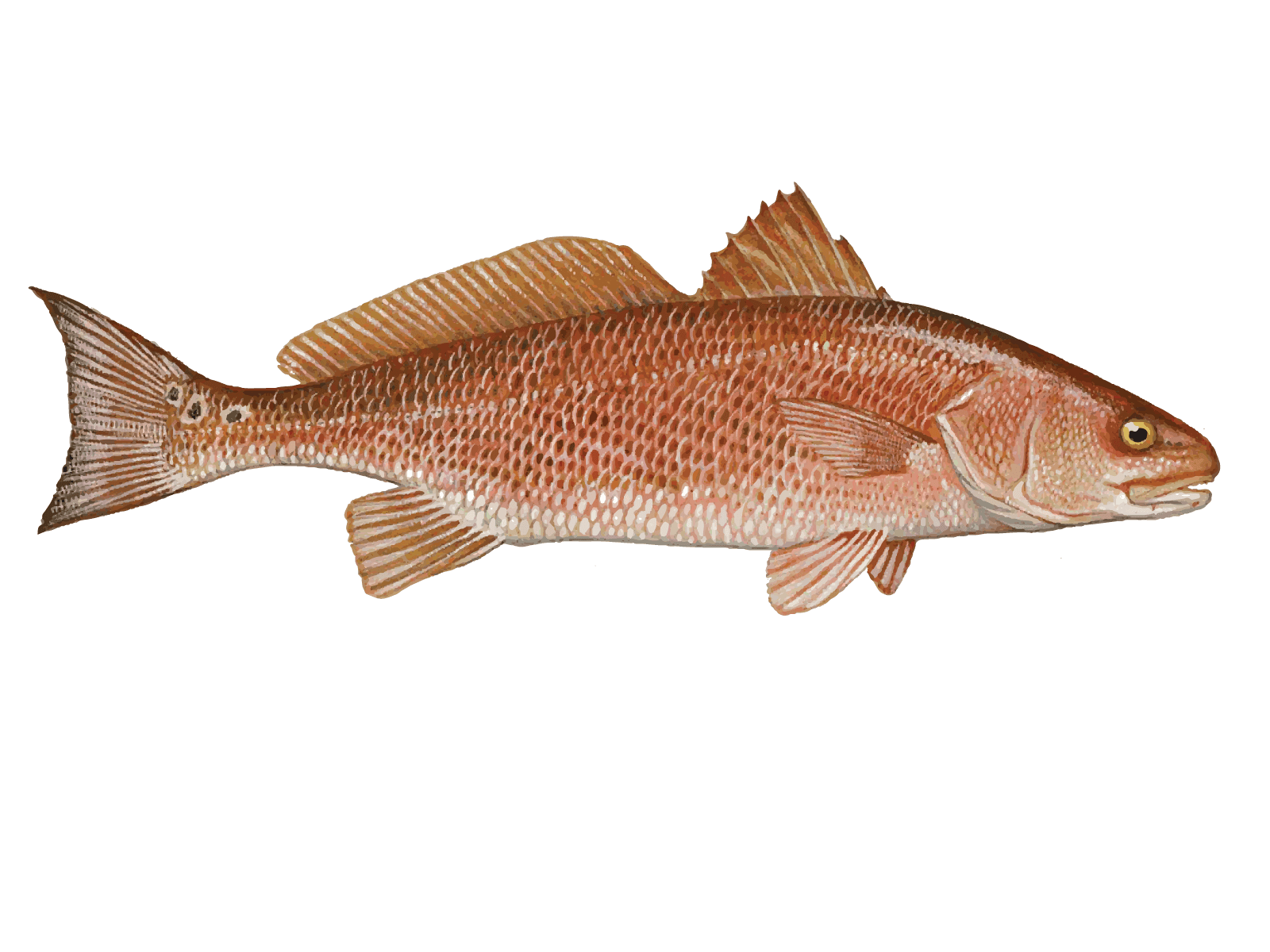
Redfish are the prize fighters of our shallow water game, typically running 20-35 inches with bulls pushing 40+ pounds. They love cruising 1-4 foot flats, oyster reefs, and grass beds where their copper backs sometimes show above the surface. Those black spots near their tail make them easy to spot when sight fishing. Year-round fishing is solid, but spring and fall bring the most consistent action as they move through the shallows feeding heavily. What gets anglers hooked is their powerful runs and stubborn fight - they'll strip drag and make multiple runs before giving up. The eating size ones (under 28 inches) have sweet, firm meat that's perfect for blackening. My go-to trick: cast past a cruising red and work your bait back toward them. Gold spoons and soft plastics in natural colors work best on our flats.
Sea Trout
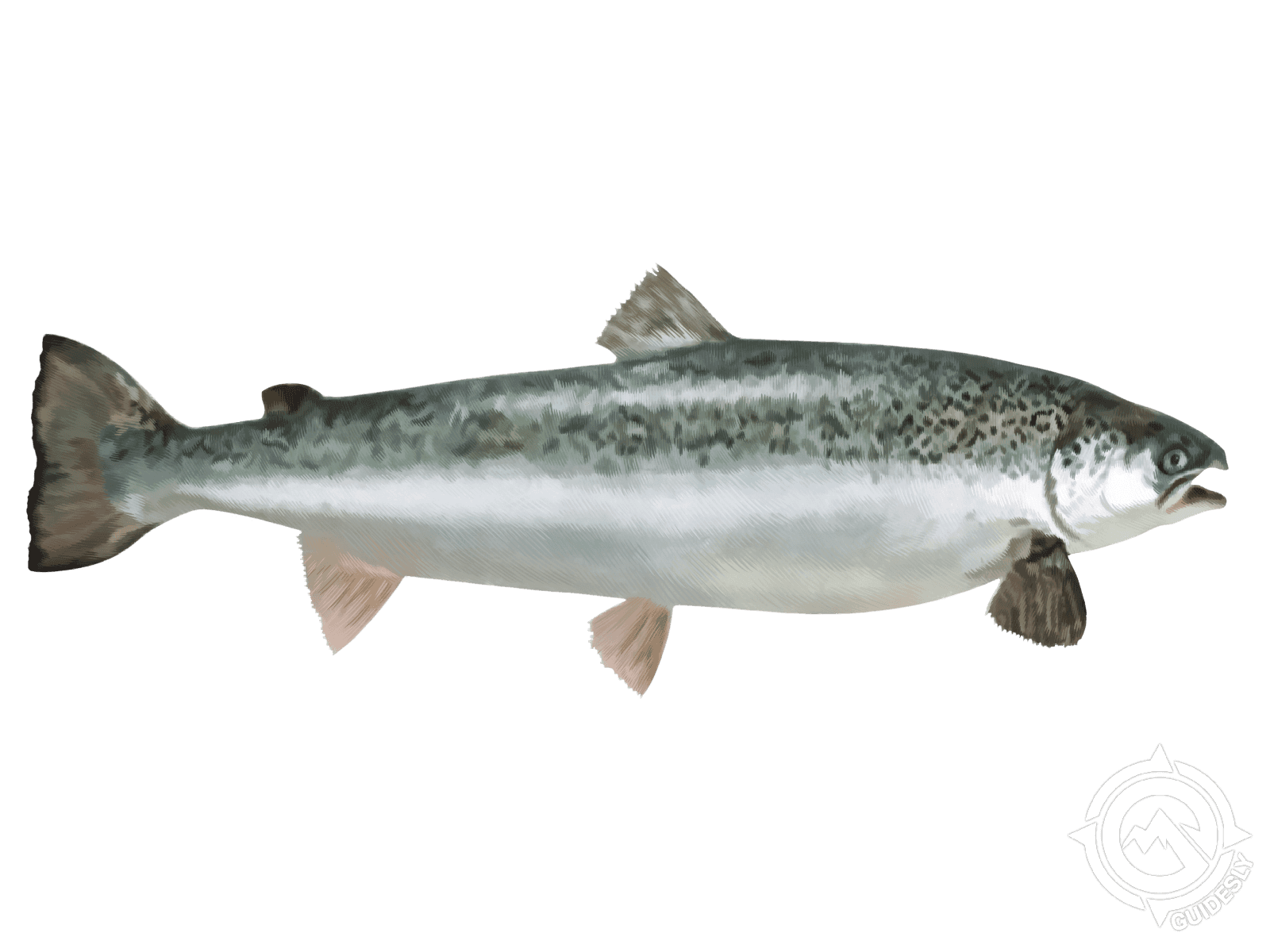
Speckled trout are hands-down one of the most reliable fish in Galveston Bay, running 14-24 inches on average with some pushing 5+ pounds. You'll find them cruising grass flats and shallow areas, especially during those early morning hours when the water's cool. They love structure - oyster reefs, drop-offs, and anywhere baitfish are hanging around. Spring through fall offers the best action, but winter can be solid too when they school up in deeper water. What makes specks special is their willingness to hit artificials - soft plastics, topwaters, and spoons all work great. Plus, they're fantastic table fare with that white, flaky meat. Pro tip: work your lure slow and steady near the bottom in 2-4 feet of water around shell beds. These fish have soft mouths, so keep steady pressure but don't horse them in.
About the Tides and Tails Boat
%2F%2Fusers%2Fca3e74c9-747c-4b4f-9dce-ddb4a76725a8%2Fvehicle_picture%2Fimg_1141-mlpy0r6s.jpg&w=1920&q=75)
Vehicle Guest Capacity: 4
Manufacturer Name: Suzuki
Maximum Cruising Speed: 40
Number of Engines: 1
Horsepower per Engine: 300